

New

Florence, Fake News, and 3,000 Priorities
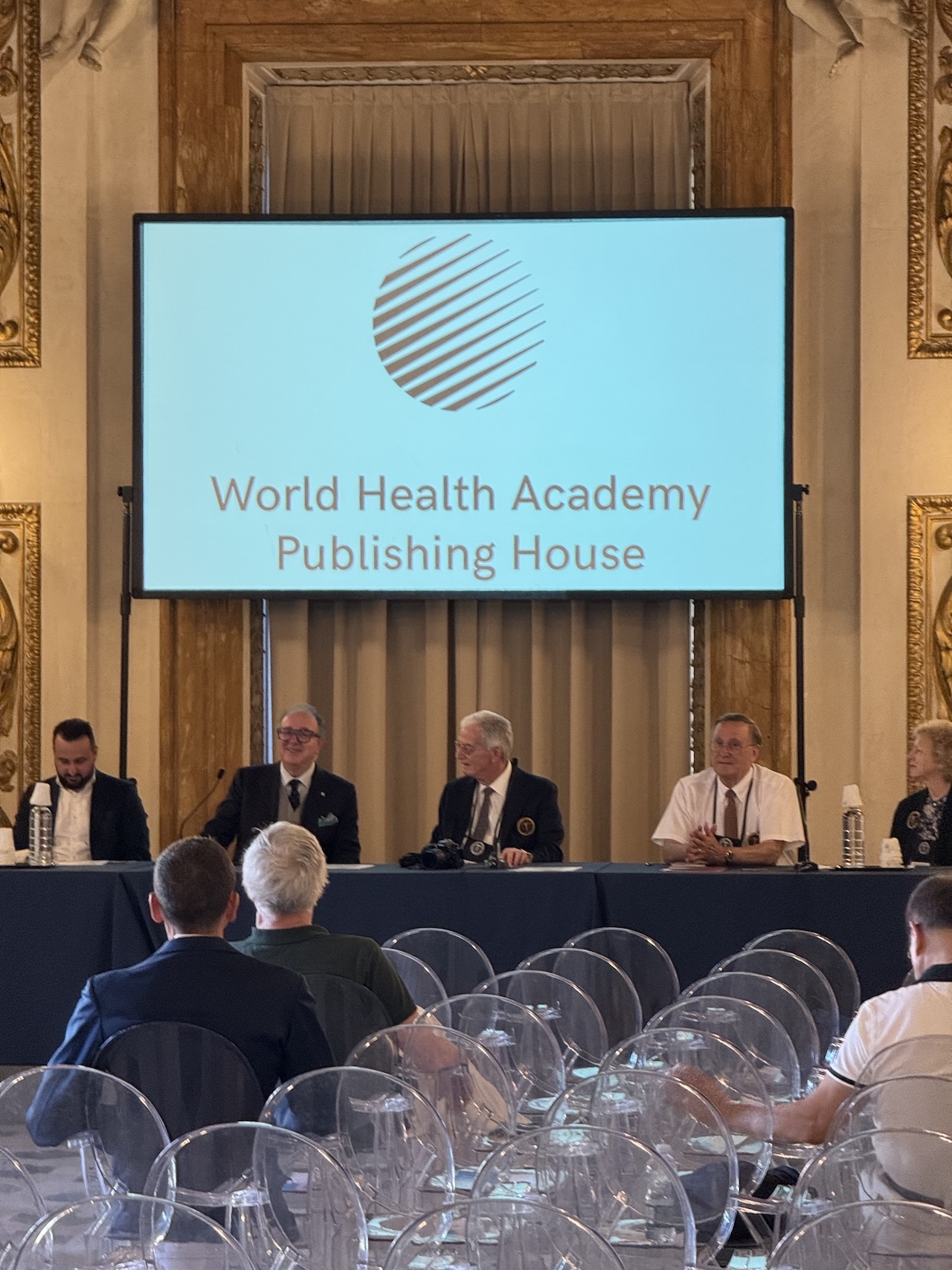
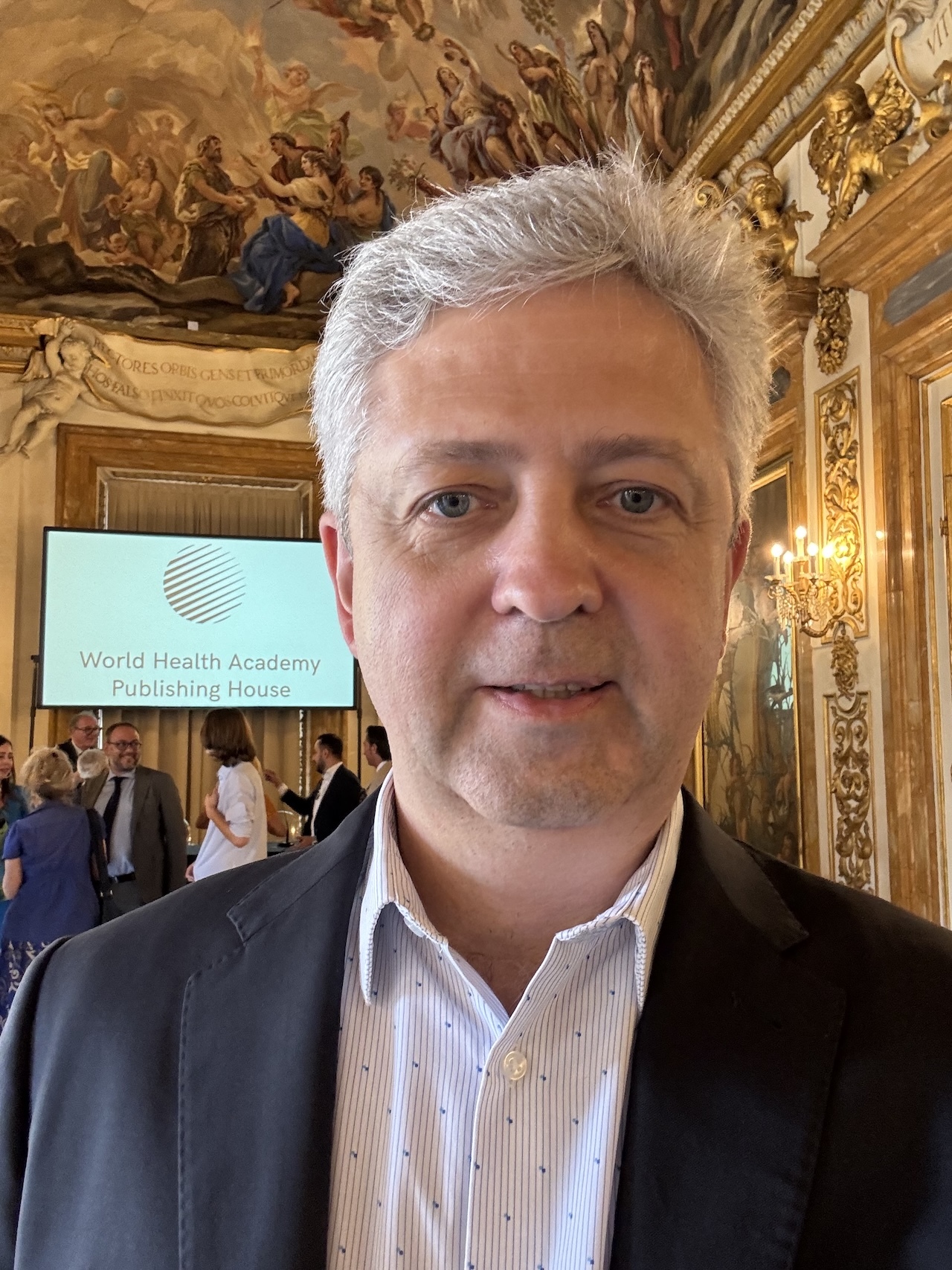
This year’s North American Clinical Dermatologic Society meeting took place in Florence — in the Medici family’s own courtyard, under a ceiling painted with gods, myths, and the four Cardinal Virtues (watching us all like judgmental Renaissance grandmas).
Dr. Sara Poggiali gave one of the standout talks: “Spot Fake News in Adolescent Dermatology.” Her message? Over two-thirds of the health content we see on YouTube or social media is — no polite way to say it — fake. And people don’t just watch it. They follow it. Act on it. Harm themselves because of it. Sometimes badly.
Ironically, back in 2021, the WHO called this an infodemic — a global threat powered not by viruses, but by viral nonsense. Fast-forward to May 2025, and they’ve just declared skin diseases — all 3,000 of them, apparently — a “global health priority.”
Which sounds great, until you realize they’ve also left national governments and health ministries to figure out how, exactly, to prioritize all 3,000. No roadmap. No budget. Just vibes.
Florence gave us the setting. Dr. Poggiali gave us the wake-up call. And at VRF, we’re doubling down on cutting through the noise — with data, with integrity, and yes, with the occasional dry chuckle. Because skin health deserves better than clickbait.
And so do your kids.
Yan Valle
CEO VRF
P.S. See you soon at the World Vitiligo Day summit in Toronto!
Continue reading:
- WHO Declares Skin Diseases a Global Health Priority — What It Means (and Doesn’t) for Vitiligo
- History Of The World Vitiligo Day
- Vitiligo Patient Journey Map



FAQOther Questions
- Do Antioxidant Supplements Help Vitiligo?
Do Antioxidant Supplements Help Vitiligo? Short answer Maybe a little. But probably not in the way most people hope. Antioxidant supplements may offer modest support, especially...
- How long does it take to treat vitiligo?
Vitiligo, a condition characterized by the loss of skin pigment, can be unpredictable in both progression and treatment. The time it takes to treat vitiligo varies significantly...
- Any link between vitiligo and military service?
While there isn't specific research directly linking military service to the onset of vitiligo, it's critical to comprehend that vitiligo is a multifaceted disorder influenced b...
Though it is not always easy to treat vitiligo, there is much to be gained by clearly understanding the diagnosis, the future implications, treatment options and their outcomes.
Many people deal with vitiligo while remaining in the public eye, maintaining a positive outlook, and having a successful career.
Copyright (C) Bodolóczki JúliaBy taking a little time to fill in the anonymous questionnaire, you can help researchers better understand and fight vitiligo.